 一次性交易大师(YARISUTEMESUBUTA)
一次性交易大师(YARISUTEMESUBUTA)
官方最新中文,中文下载
直接下载
🔋 galGame介绍
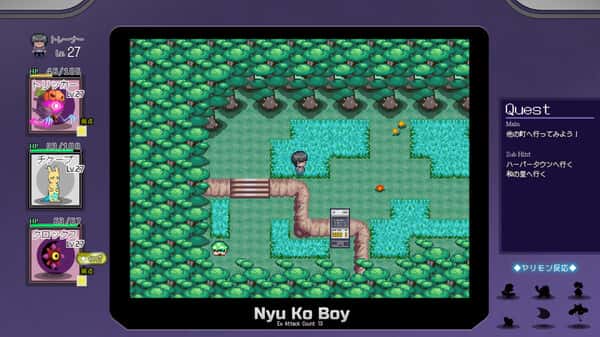
一次性交易大师是 超过150种以上的怪兽!!内容丰富度爆表的超大型RPG。 训练你的Yarimon挑战冠军的头衔!! 就在自己的伙伴Yarimon习得超无敌的「作弊冲撞」这个世界都不一样了...最后成为宝可梦H版大师

🔒 操作秘籍
在这个世界存在着「Yarimon」这种不可思议的生物。
被排挤的主角和最弱Yarimon,这就是我们...
不过这都是之前的事情了。
身为伙伴的Yarimon居然突然学会了威力800000的「作弊冲撞」,
世界不一样了...只要使用这个技能不管事什么样的对手都能打倒...(虽然一场战斗中只能使用一次)
当然,光靠这样就想要当上冠军还太天真了,作为训练家就必须不断精进自己的技巧,但就算是这样,对于第一次击败儿时玩伴的我已经是非常开心的事情了,终于可以把一些输掉的钱给拿回来...
一次性交易大师s 然后,我也随波逐流地踏上了冒险之旅(被儿时玩伴用「我要去旅行了,你也给我去旅行」的压力逼迫)。
在旅行的途中,我慢慢的接触到这世界的谜团...
我的冒险正式开始了!!
朝着Yarimon图鉴完全制霸为目标!!

怪兽收集型战斗RPG
一次性交易大师收集各式各样的「Yarimon」、朝着冠军努力吧!

不管是跟野生的Yarimon还是训练家战斗都可获得经验值,之后可以按照自己的喜好将经验值分配给Yarimon!

探索隐藏在这世界的秘密,一步一步地迈向这个世界的真相!
-----------
- 怪物150种以上
- 各角色的游戏点阵图
- 各角色的立绘以及各表情差分
- 有怪物图鉴
- 本作品於 2023 年 9 月 1 日推出後很快就突破了 10 萬套大關,作為年度神作終於登上 Steam 的國際舞台!這次 Steam 版發行還同時包含了 DLC1 的追加內容,額外新增了戰鬥、劇情、大量 CG 以及追加道具,想直接體驗目前的最完整版本建議同時入手,也可以等待 DLC2 的推出消息。
游戏截图
⚙️ 直接下载
一次性交易大师(YARISUTEMESUBUTA) 已准备就绪,直接下载开始游玩。
下载游戏